



PUNCHING
Precision in every detail - We shape sheet metal
Punching technology – Effective production for the highest demands
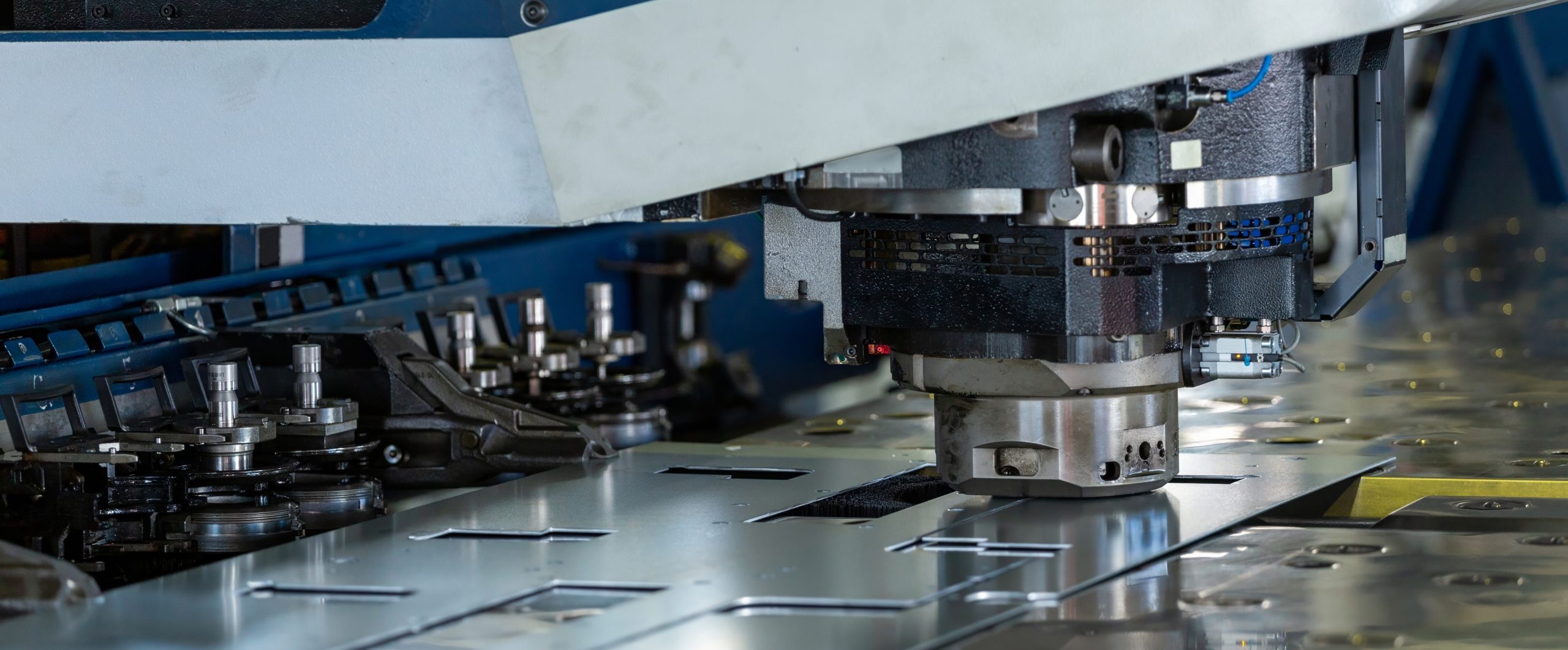
Metal punching is a widely used process in sheet metal processing. Punching is used to manufacture components from sheet metal or plates, whereby the parts are produced efficiently and without cutting through repeated processes. This technology is particularly advantageous for mass production, as large quantities can be manufactured with precise results.
BMCS stamped parts: Your specialist for stamped and pressed parts
BMCS Stanzteile manufactures high-quality stamped and pressed parts ranging from simple parts to complex components. We rely on specialised stamping technologies such as in-house tool production, transfer tools and progressive dies to ensure precise and economical manufacturing processes. Our aim is to supply you with components that offer the highest quality and accuracy of fit.
Precision through advanced production technology
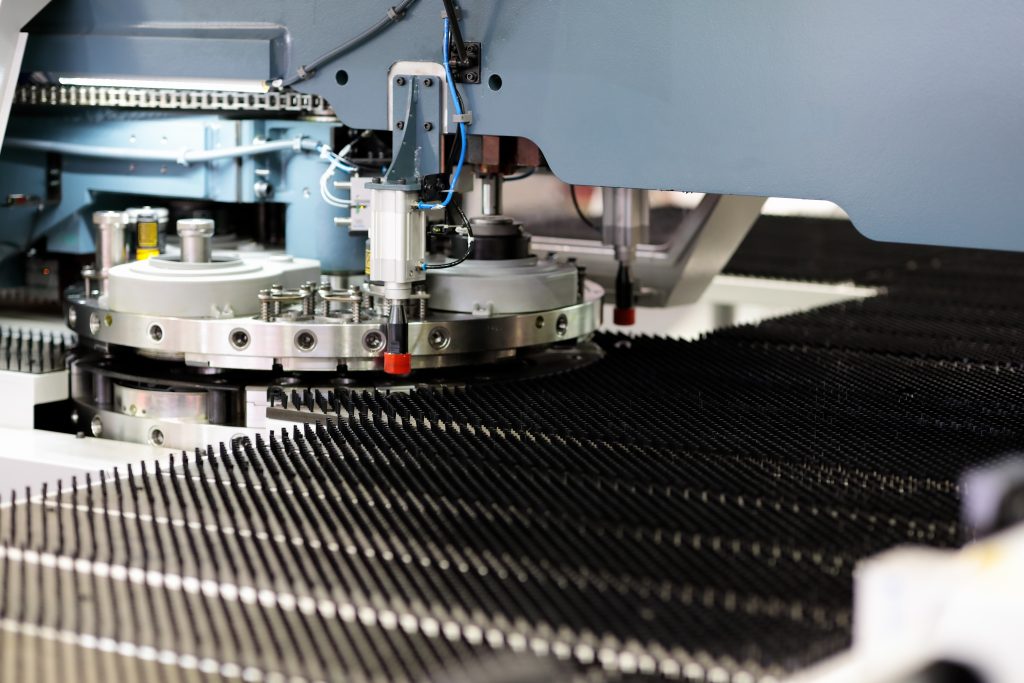
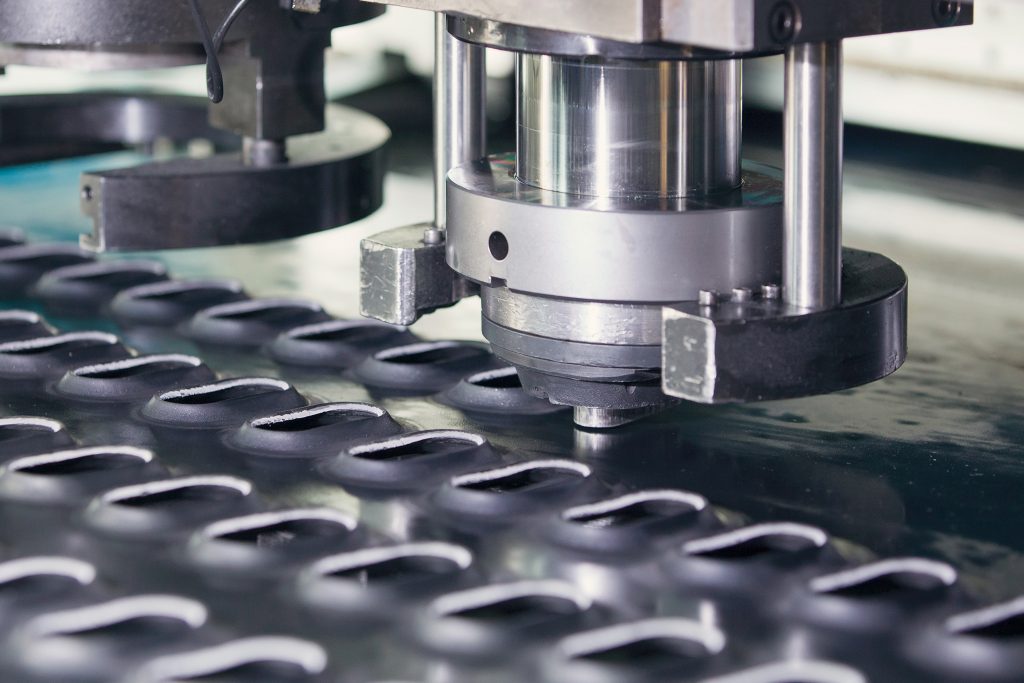
When punching metal, it is not only the right material that is important, but also the precision of the punching tools. With modern automatic punching machines equipped with precise tools, components are produced in the shortest possible time. The metal component is brought into the desired shape by the punch, whereby the material is deformed and cut off. We use modern fineblanking processes for fine machining and to minimise reworking.
Technological development – from early forging to modern stamping technology
The history of stamping technology dates back to the 19th century. Initially, metal parts were produced by forging, until the stamping of metal parts became increasingly important with the advent of bicycle production and later the automotive industry. Since then, the technology has developed steadily – from simple stamping to high-precision production methods that enable even complex components to be produced without subsequent deburring or reworking.
Variety of stamped parts
We manufacture a wide range of stamped parts from various materials, including
- Steel
- Stainless steel
- Sheet metal
- Non-ferrous metals
- brass
- Copper
Our company manufactures both simple and highly complex components that are used in a wide range of industries, from the automotive industry to medical technology. The high repeat accuracy and quality of our stamped parts is ensured by the use of modern machine control and sensors throughout the entire production process.
Metal stamping – the manufacturing process in detail
Metal stamping includes various processes such as drawing, upsetting, bending and precise cutting of the workpiece. This is done with the help of specialised punching tools that are used on state-of-the-art automatic punching machines in a progressive system. These machines ensure that both small quantities and components for mass production can be manufactured efficiently. Thanks to short changeover times and flexible adaptation to different order sizes, production costs remain low at all times.
Stamped parts made from stainless steel and spring steel
Stainless steel is characterised by excellent corrosion resistance and strength, which is why stainless steel stamped parts are often used in demanding applications, such as in the automotive industry or medical technology. When stamping stainless steel, maximum precision is required to avoid distortion and surface damage to . Our special punching tools and high-precision manufacturing processes guarantee excellent results.
Spring steel is often used for components such as clamps or springs that regain their original shape after deformation. Punching spring steel requires particularly precise tools in order to optimise the material properties.
Stamped parts made of steel – robust and economical
Steel is a popular material for stamped parts due to its stability and cost-effectiveness. Its high corrosion resistance and excellent mechanical properties in particular make steel a favoured material. Stamped steel parts are easy to process and offer high durability and resilience.
Aluminium stampings – light and stable
Aluminium is a popular material for stamped parts due to its low weight and stability. Aluminium is particularly valued in the aviation and automotive industries, but also in mechanical engineering, due to its corrosion resistance and low weight. Aluminium stamped parts can be used to manufacture complex components cost-effectively and with high precision.
Stamped parts made of copper – electrical and thermal conductivity
Stamped copper parts offer outstanding properties such as high electrical and thermal conductivity. These properties make copper a favoured material in electronics and electrical installation technology. Copper is also important in the automotive and mechanical engineering industries, primarily due to its corrosion resistance and thermal stability.
Brass stampings – versatile and decorative
Brass, an alloy of copper and zinc, is often used for decorative components and mechanical applications. Brass stampings are used in various industries, including electronics, mechanical engineering and the consumer goods industry. Brass is particularly popular in jewellery production and decorative elements due to its shiny surface.
Conclusion
Our stamping technology enables the production of high-precision components from a wide range of materials. With our modern machinery and specialised tools, we supply you with stamped parts of the highest quality – efficiently, economically and on time.
Process Reliability
With our state-of-the-art ERP system and clearly defined processes, we guarantee you maximum process reliability. Thanks to digital interfaces, we transfer your data seamlessly into our systems - quickly, efficiently and error-free. Our ISO 9001 certification confirms this: Quality and reliability are standard at BMCS.
Parts Optimization
Perfection down to the last detail: We analyse your components and optimise them for efficient and cost-effective production. Thanks to our close collaboration and in-depth understanding of your requirements, we ensure maximum functionality and costeffectiveness.
Flexible Capacities
Whether small batches or large orders - we respond dynamically to your needs. Thanks to our cross-location production capacities, we are able to seamlessly balance out production peaks and ensure reliable delivery performance.